

Sara kamar
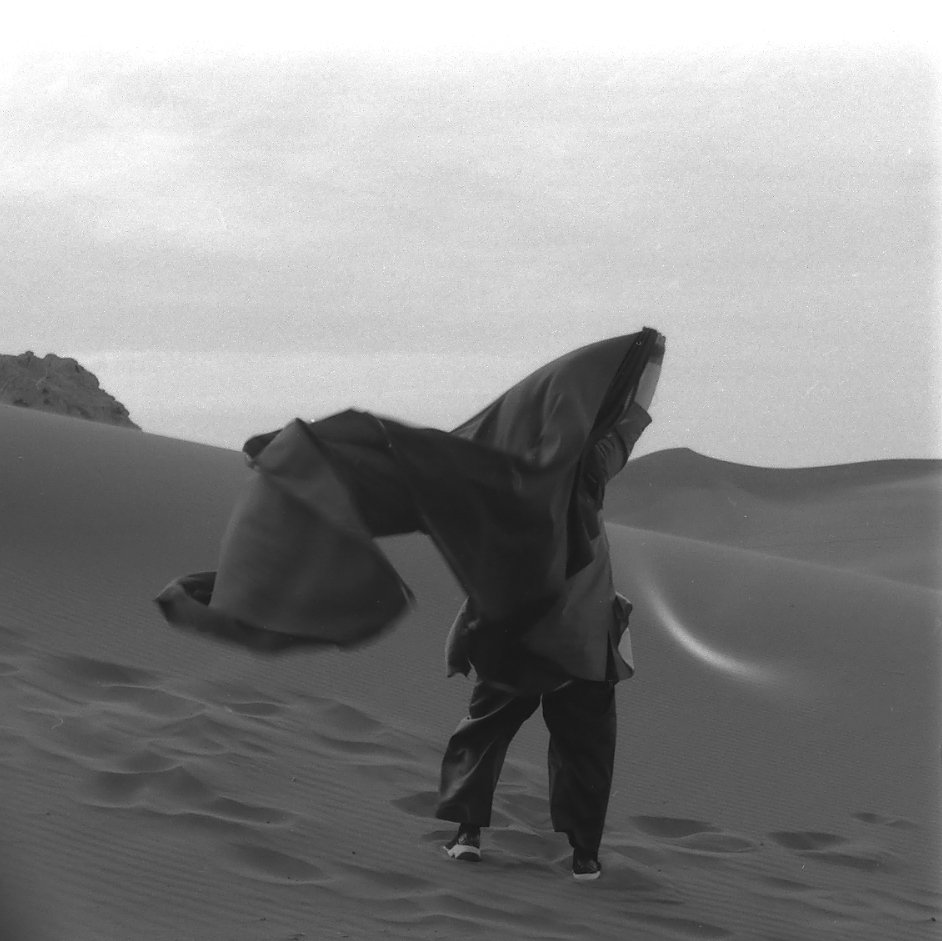
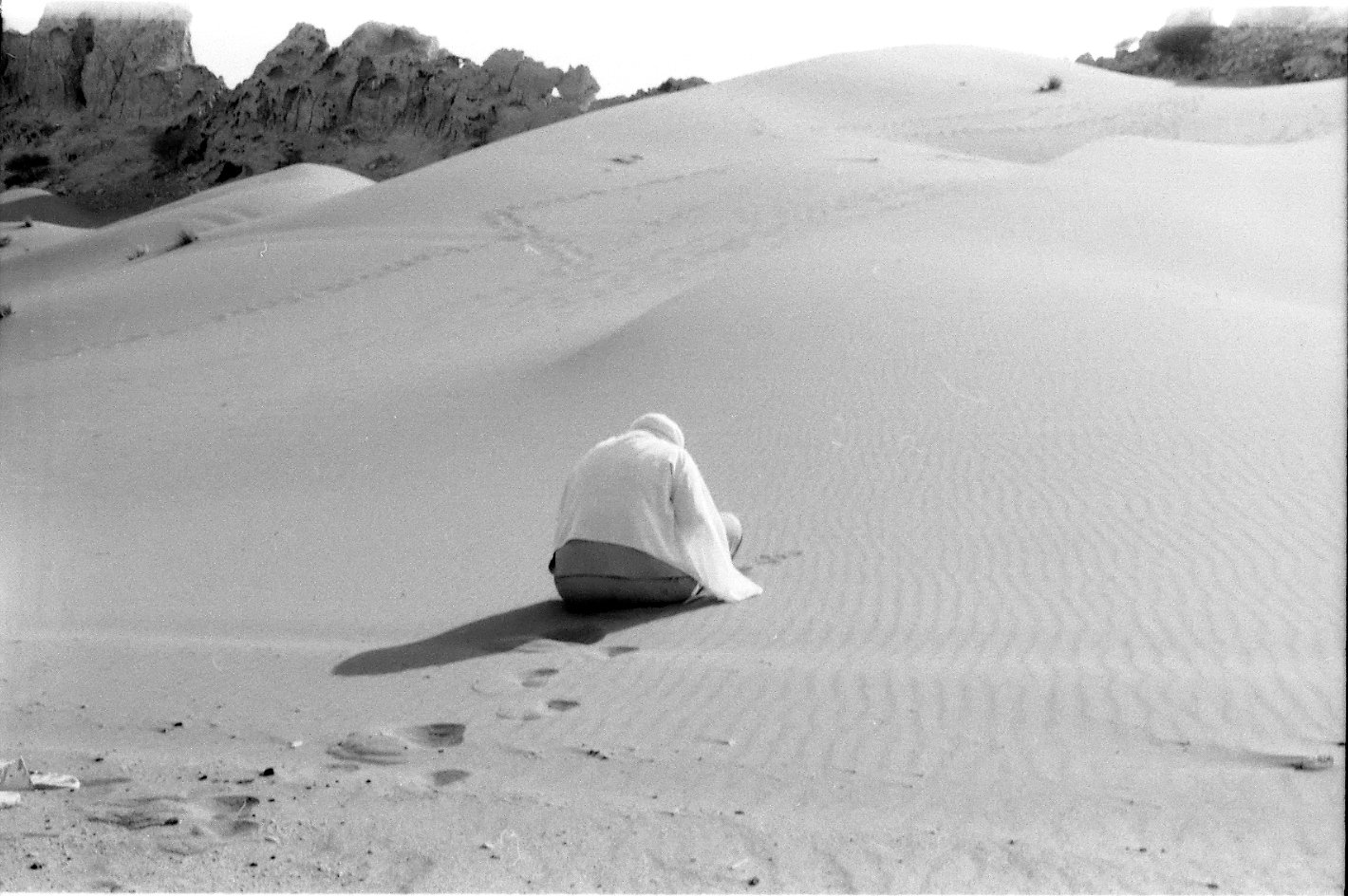
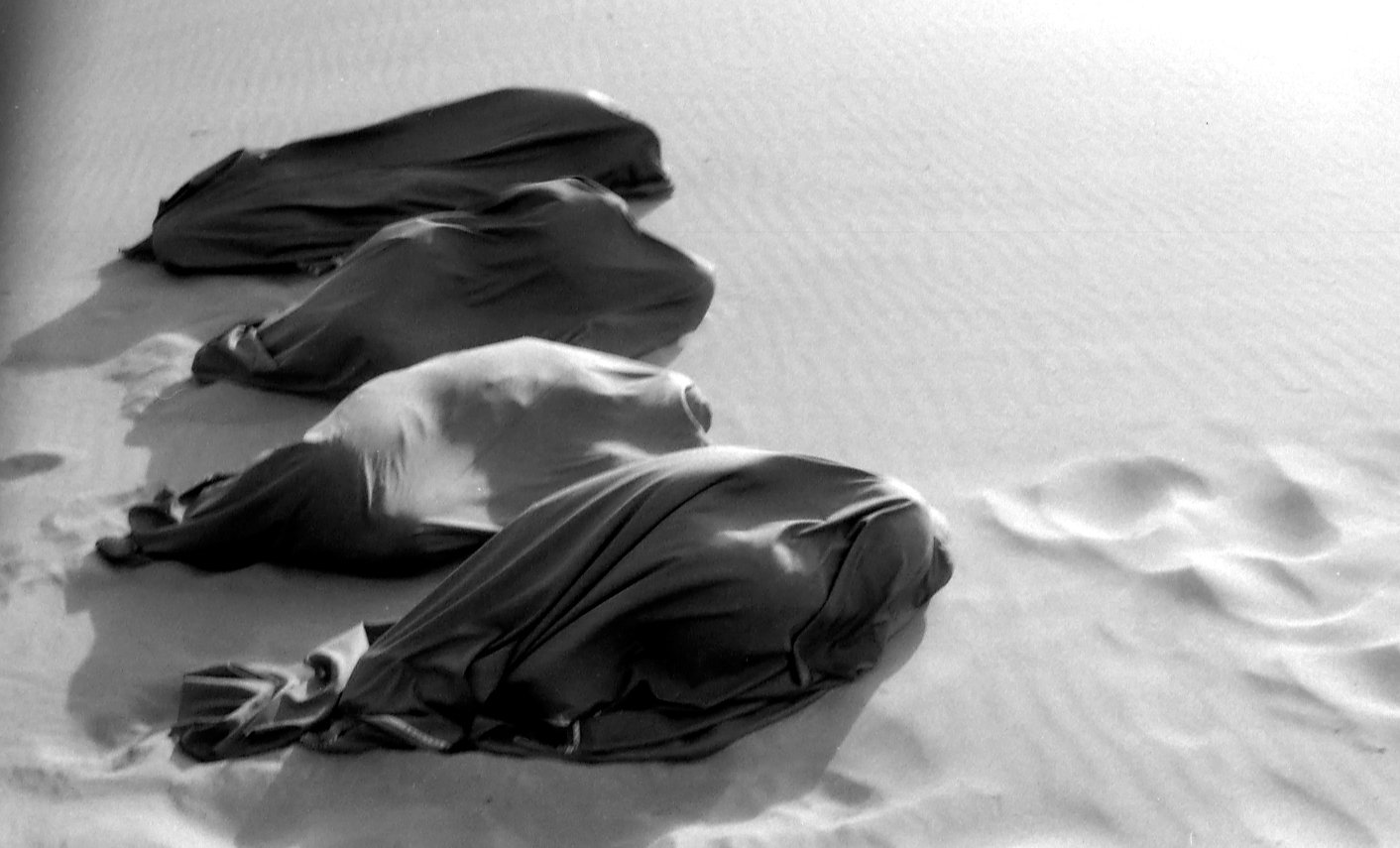
Sara Kamar is a multidisciplinary artist exploring memory, displacement, and embodiment. Her work employs repetition and surface to register time, labor, and presence.
“Love and creativity are the same thing because they both stem from bravery. In the same way that you should have the courage to love with the possibility of getting hurt, you should also have the bravery to be creative with the possibility of failing.”
— Sara Kamar
Rather than trying to define her work too neatly, we asked her to describe it in her own words.
How would you describe your practice in one sentence?
“I treat my practice as the ultimate glitchy interface between my inner world and my expression—always buffering, always refreshing, faster than my brain can keep up.”
She talked about material and process, the conversation turned toward memory, how it settles into the body of the work through texture, color, and surface.
How do texture, color, and surface operate as carriers of memory in your practice?
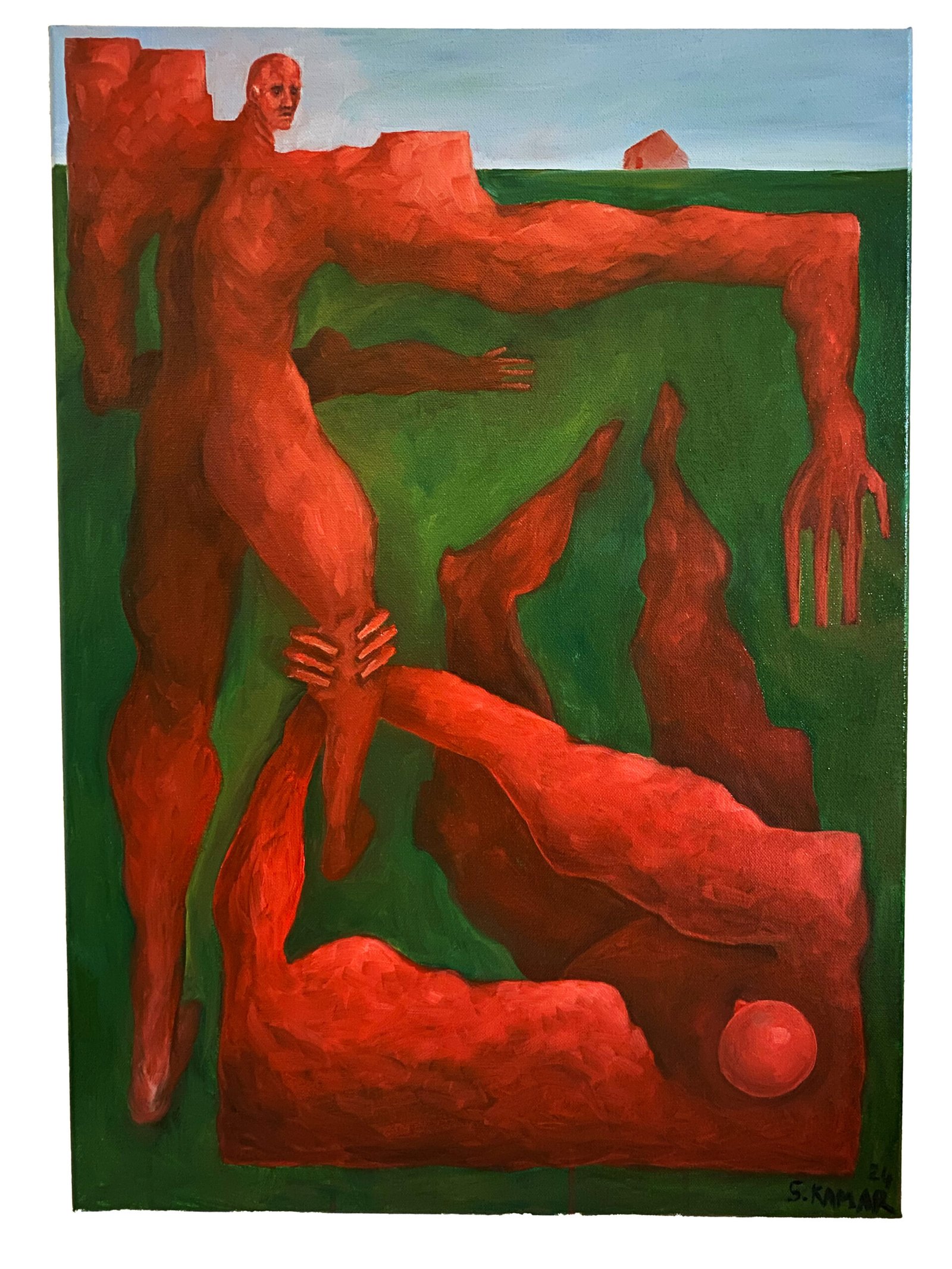
“Texture and surface are ways of storing memory physically. In painting, layering emulates the accumulation of experiences. Color often functions metaphorically. I’ve established using a specific shade of pink across my artwork to show flesh and femininity as both fragility and endurance. Across media, surface is never neutral—it is the skin of the artwork.”
Influence came up as something expansive and constantly shifting, shaped as much by digital space as by personal encounters.
Which artists, books, films, or places have most influenced you, and why?
“I’m constantly influenced by everything, especially being online, surrounded by images, art, and tragedy. Samia Halaby’s visit to my studio was pivotal; her digital kinetic paintings and that conversation remain a core memory.
Masaaki Yuasa’s Mind Game (2004) is my most influential film, it feels like creative brain vomit in film form. Growing up moving constantly shaped how I understand belonging and displacement. I don’t feel tied to places, but to people and experiences. That sense of detachment from material spaces drives much of my work.”
Her work often returns to small, familiar moments, the kinds of things that pass quietly but stay with us.
Your work often evokes memory and everyday moments. What draws you to those themes?
“Sometimes I find myself emotionally drawn to the overlooked, the everyday gestures, objects, and memories that quietly shape our sense of belonging or routine. These moments carry emotional weight precisely because they are ordinary. Memory, for me, is not nostalgic, it’s material, fragile, layered, and constantly shifting.”
As the conversation continued, certain forms and gestures kept reappearing mirroring the way they surface throughout her work.
Are there recurring symbols or gestures in your practice? How do they function within your pieces?
“Yes, recurring motifs like circles, repetitive marks, and the human figure appear across my practice. Circles symbolize cycles, continuity, and interconnectedness, while repeated gestures embody endurance, time, labor, and presence. The human body, fragmented or abstracted, anchors these ideas, keeping the work intimate while gesturing toward ecology, society, and technology.”
Stay Connected
Subscribe to receive updates about new workshops, artist features, and upcoming programs.